
How to Brew Black Tea Without Bitterness: Time, Temperature, and Leaf Ratio
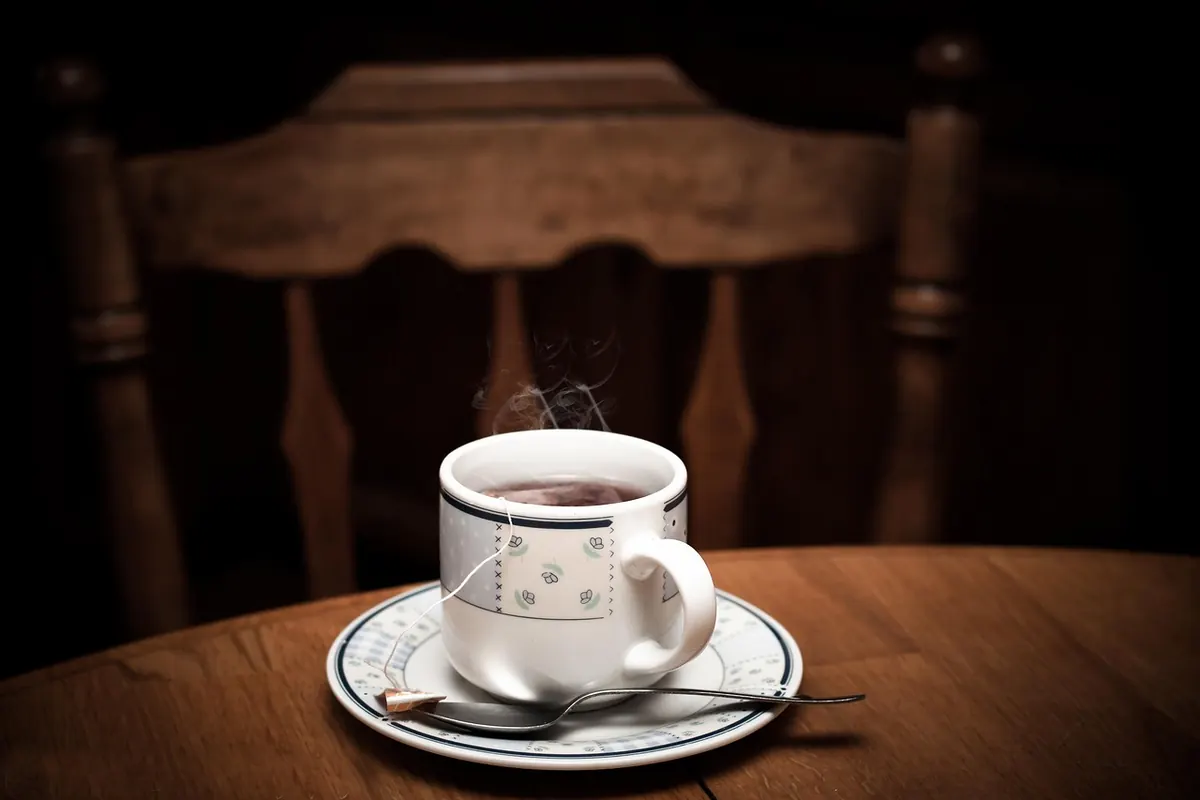
Black tea goes bitter in a narrow window. A pot that tastes brisk and malty at three minutes can turn harsh and drying by four. That shift is not a flaw in the leaf — it is extraction catching up with you. Hot water pulls flavor out of tea in a predictable order, and the compounds that taste bright and sweet come first. The ones that taste bitter and feel astringent come later, and they come fast. Three settings decide almost everything: water temperature, steeping time, and the ratio of leaf to water. Set them roughly right and a smooth cup stops being a matter of luck.
Bitterness Is Over-Extraction, Not Bad Tea
Tea leaves hold a mix of caffeine, amino acids, aromatic oils, sugars, and polyphenols — the group usually called tannins. These do not dissolve at the same speed. Caffeine and the bright, fragrant compounds appear in the first minute or so. Tannins are slower to start and faster to finish, and heat speeds them up. So a cup brewed for two minutes tastes light and sweet; the same leaf at five minutes tastes dry and bitter, even though nothing about the tea changed.
It helps to separate two sensations. Bitterness sits on the back of the tongue and lingers. Astringency is the drying, puckering feel on the sides of the mouth and gums. A good black tea has some grip — that is what makes an Assam taste like Assam. The goal is not to erase astringency but to keep it behind the flavor rather than in front of it. When tea tastes thin and bitter at the same time, you probably used too little leaf and steeped it too long.
Start With Leaf Ratio, Then Adjust Time
Most bitterness problems start here. A sensible starting point is about 2 to 2.5 grams of tea per 240 ml (8 ounces) of water for broken leaf, fannings, and tea bags. Whole-leaf teas are bulkier and need a bit more: roughly 2.5 to 3 grams for the same cup.
Weight beats volume every time, because a teaspoon of fine Ceylon and a teaspoon of long, twisted Yunnan leaves are nowhere near the same amount of tea. Without a scale, use a heaping teaspoon for small, broken leaf and a generous tablespoon for large whole leaf. When in doubt, err toward more leaf and less time.
Under-leafing is the sneaky cause of bitter tea. A weak cup tempts you to steep longer to coax flavor out, and those extra minutes pull tannins out of proportion. Five minutes will not fix too little tea. It will just make thin tea taste harsh.
Water Temperature: Back Off Boiling
Boiling water is fine for sturdy blends, chai, and CTC teas headed for milk and sugar. For most whole-leaf black tea, water a few degrees below boiling gives a rounder cup with the same strength and less bite. A cheap thermometer used once will teach you more than any rule of thumb.
- 212°F / 100°C — brisk blends, CTC, masala chai, and anything you plan to drink with milk.
- 195–205°F / 90–96°C — most single-origin whole-leaf blacks: Assam, Ceylon, Keemun, Yunnan, Nilgiri.
- 185–195°F / 85–90°C — delicate first-flush Darjeeling and lighter high-grown leaves.
No thermometer? Bring the kettle to a boil, take the lid off, and wait 30 to 60 seconds. That lands close to 200°F in a typical kettle. Pouring into a cool mug or pot drops the temperature another few degrees, worth remembering when you brew straight into a cold cup. Avoid the other extreme, too: water below about 180°F leaves tea flat and sour, and no amount of steeping fixes it.
Steeping Time: Taste Earlier Than You Think
Three to five minutes covers most black tea. Broken leaf sits at the short end, whole leaf at the long end. The useful habit is not picking a number — it is tasting before the timer goes off. At two and a half minutes, spoon out a little and check. If it is already brisk enough, stop. If it tastes hollow, give it another 30 seconds.
Pull the leaf out when the cup is right. A basket strainer left sitting in the mug keeps extracting, and so does a tea bag you forgot about. Do not press or squeeze the bag against the side of the cup to get the last drops; you are squeezing out tannins, not flavor. A gentle lift and a brief drain is enough. If you drink your tea with milk, you can push the steep a little longer, since milk proteins soften the drying edge — but that is a small allowance, not a license to forget the pot.
A Repeatable Method, Start to Finish
- Fill the kettle with fresh cold water. Water boiled and reheated several times tastes flat.
- Warm your pot or mug with hot water, then empty it. Tea brewed in a cold vessel loses heat fast.
- Measure the leaf into the strainer or pot — two to three grams per cup, or a heaping teaspoon of broken leaf.
- Bring the kettle to a boil, then let it rest with the lid off for 30 to 60 seconds.
- Pour the water over the leaf and cover. Heat escaping off the top is flavor you will not get back.
- Set a timer and taste at two and a half minutes. Strain as soon as the tea tastes right.
- Rinse the strainer or pot right away. Leaf left to sit turns acrid and makes the next pot harder to judge.
Once you have a baseline, small changes become meaningful. Drop the temperature 5°F and the same tea tastes sweeter. Cut 30 seconds and the finish gets cleaner. Note what you did for the first few pots — three lines on a card is enough — and you will stop guessing within a week.
If the Cup Is Already Bitter
You do not have to pour it out. A few fixes work on the spot:
- Add a splash of hot water. Dilution helps, and hot water keeps the cup from tasting washed out the way cold water does.
- Stir in milk. Fat and protein bind some of the tannins and soften the bite.
- Try a tiny pinch of salt. You should not be able to taste salt, only less bitterness.
- Next time, change one variable. Cut the steep by 30 to 45 seconds, or drop the water temperature by 5 to 10 degrees.
If every black tea you brew tastes harsh no matter the timing, look at your water. Very hard water makes tea taste dull and oddly sharp at the same time. Filtered or soft bottled water is often the single biggest improvement you can make, and it costs nothing but a jug.
Three Pots and You Will Know Your Tea
Black tea is not one thing. A brisk Kenyan CTC and a soft, honeyed Keemun want different treatment, and the label will not always tell you which kind you have. So treat the first pot as a test. Brew at 200°F for three minutes with a level teaspoon, taste it, and adjust one dial. Second pot: same temperature, four minutes. Third: 190°F, four minutes. By then you will know whether this tea wants more heat, more time, or more leaf — and that knowledge sticks.
Keep the rest simple. Fresh cold water, a kettle you let rest for a minute, a timer you actually use, and a strainer you empty promptly. None of that is fussy, and all of it shows up in the cup. The best black tea is not the most expensive one on the shelf; it is the one you brewed at the right temperature, for the right amount of time, with enough leaf to carry it.
Photo: 822640 / Pixabay