
Iced Tea, Three Ways: Cold Brew, Flash Chill, and Sun Tea
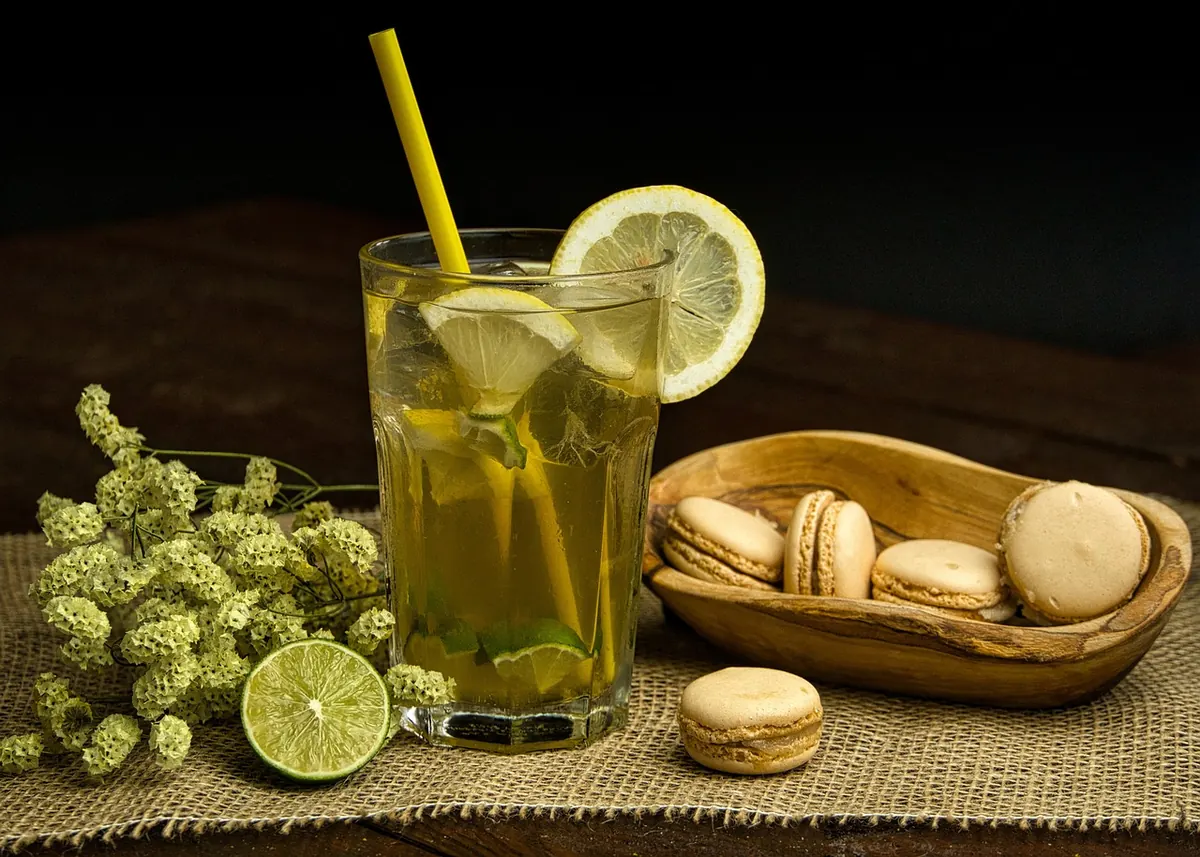
A pitcher of iced tea is one of the small pleasures of a hot day, and it costs you almost nothing but time. Yet the pitcher itself can be made three very different ways, and the method changes nearly everything: how long you wait, how the tea tastes in the glass, and which leaves are worth using up on it. Cold brew is patient and smooth. Flash chill is quick and bright. Sun tea is slow and mellow, the kind of thing you start before lunch and forget about until the shade finally reaches the porch. Here is how each one works.
Cold Brew: Let Time Do the Work
Cold brewing extracts flavor without heat, which means fewer of the bitter, drying compounds that hot water pulls out of the leaf. The result is rounder, softer, and often noticeably sweeter on the finish, even with no sugar in the pitcher. It is also the most forgiving method: forget it on the counter for two extra hours and it will still taste good.
The basic ratio is one to one-and-a-half tablespoons of loose leaf per cup of cold, filtered water, or roughly one ounce of leaf per gallon. Go stronger if you plan to pour over ice.
- Add leaf and cold water to a jar or pitcher.
- Refrigerate for 8 to 12 hours, or leave at room temperature for 4 to 6 hours if you want it sooner.
- Strain through a fine sieve or coffee filter, pressing gently on the leaves.
- Refrigerate and drink within two to three days.
Room-temperature brewing goes faster but can pick up a faintly vegetal edge, so taste it at the four-hour mark. Cold brew works with almost any tea: black, green, oolong, white, and herbal blends all handle it well.
Flash Chill: Hot Brew, Fast Cool
This is the method for people who want iced tea now. You brew hot and concentrated, then chill it fast so the character of the tea stays intact. Done well, flash-chilled tea is the brightest of the three, with the aromatics still forward and a brisk, clean edge that cold brew tends to soften away.
Use roughly twice the leaf you would for a hot cup and about half the water. Steep black tea for four to five minutes, green tea for two to three, then strain the concentrate directly over a pitcher packed with ice. The melting ice brings the strength back to normal. If you would rather not dilute at all, set the hot concentrate in a bowl of ice water for a few minutes, then pour it over fresh ice in the glass.
Two things to watch. First, oversteeping: because the brew is concentrated, bitterness arrives quickly, so set a timer. Second, cloudiness. Black tea chilled fast can turn hazy, a harmless reaction between the tea's natural compounds and cold. It tastes exactly the same. If you want a glass that stays clear, chill the concentrate slowly in the fridge instead, then pour over ice.
Sun Tea: The Slow, Sunny Classic
Sun tea is the laziest method and the most nostalgic. Fill a clean glass jar with cold water and leaf, set it outside in direct sun, and let it sit for three to five hours. The water warms just enough to coax out flavor without the bite of a full boil, so the tea lands mild, soft, and low in astringency. It suits herbals and flavored blends especially well, since delicate additions like citrus peel and flowers come through without turning sharp.
Sun tea brews in warm water, not hot. That is part of its charm, and also the reason to handle it carefully.
Because the jar never gets hot enough to kill anything, it can become a comfortable place for bacteria if you leave it out too long. Keep the jar and your hands clean, use fresh filtered water, bring it in as soon as it tastes right, strain out the leaves, and refrigerate immediately. Drink it within a day or two, and pour it out if it looks syrupy or smells off. If you love the ritual but not the risk, make it in the fridge overnight instead; the flavor is very close.
Which Tea for Which Method
The three methods favor different leaves. A rough guide:
- Cold brew: Nearly everything. Assam and Ceylon for a smooth, malty glass; sencha and gyokuro for a clean green; oolong for something floral; mint and chamomile blends for caffeine-free pitchers.
- Flash chill: Bright, aromatic teas that lose something when brewed cold. Darjeeling, Ceylon, jasmine green, Earl Grey, and most first-flush blacks shine here.
- Sun tea: Herbals, fruit blends, and lighter flavored teas. Strong Assam can taste flat and slightly dull after a few hours in the sun.
A practical note on quantity: finer leaves and fannings release faster, so cut the time back a little. Whole-leaf teas need the full window and reward it.
Ratios, Sweetening, and Serving
Sweetener dissolves poorly in cold liquid, so make a simple syrup: equal parts sugar and water, warmed just until the sugar disappears, then cooled. It keeps in the fridge for weeks and stirs into a glass in seconds. Honey works the same way, though it needs a slightly warmer ratio.
A few serving habits worth keeping:
- Add citrus at the last minute. Lemon slices left in the pitcher for a day turn the whole batch bitter.
- Muddle mint lightly rather than shredding it; torn leaves release a harsh, grassy note.
- Skip milk with anything citrusy. For a milk-and-sugar glass, cold-brewed Assam or a strong Ceylon is the better base.
- Store in a covered pitcher, not an open jar, so the tea does not absorb whatever else is in the fridge.
If you are watching caffeine, remember that cold brew often tastes milder than it is. The caffeine is still there; it simply arrives without the bitterness that usually signals strength. Anyone managing caffeine for medical reasons should check with a healthcare professional about how much is sensible.
Start With One Pitcher
If you want tea tonight, flash chill it. If you want tea tomorrow and the day after, cold brew a big jar and keep it in the door of the fridge. If you have a sunny windowsill and a free afternoon, sun tea is worth doing once, if only for the pleasure of carrying the jar back inside. Try the same leaf all three ways sometime. The difference is bigger than you would expect, and it is the fastest way to learn which one belongs in your summer.
Photo: Anrita1705 / Pixabay